Exams / fasting
Use hospital-approved exam and fasting templates.
KAGO delivers hospital-approved voice/screen reminders at configured ward points through scheduled, circulating, ad hoc and stationed service.
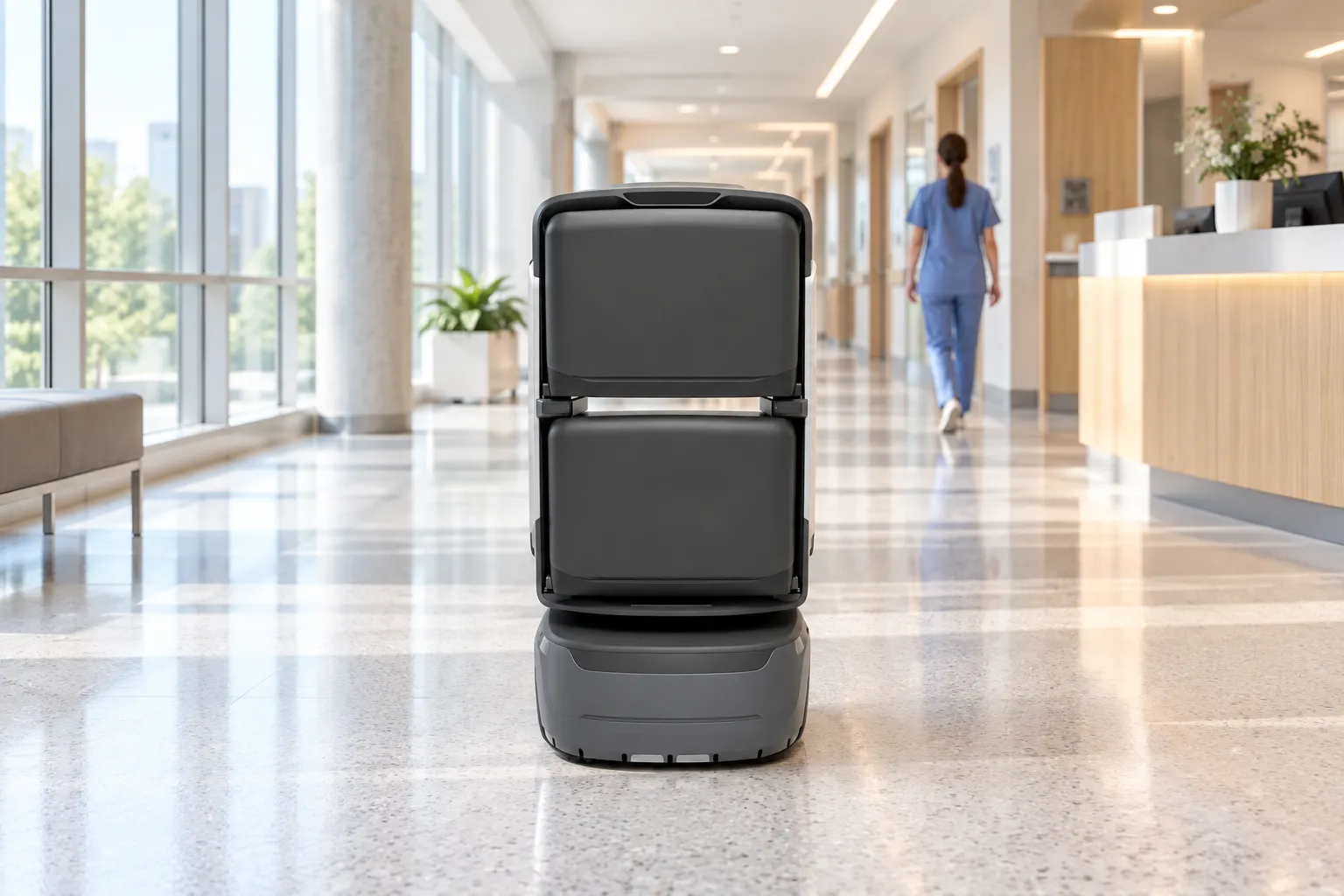
Create
Choose the approved reminder template.
Remind
Go to the point and deliver the voice or screen reminder.
Report
Record execution and exception states.
Pilot the documented workflow with responsible staff verifying key handovers.
Robots execute configured tasks; responsible staff retain verification and on-site response.
Nurse station / guide desk
Choose the approved reminder template.
Managers
Set time, location and volume.
KAGO
Go to the point and deliver the voice or screen reminder.
Platform
Record execution and exception states.
Department owner
Review content, frequency and feedback.
Confirm execution separately from human handover/review; assigned staff take over exceptions.
Approve content, times and intended audience.
Execute template-based voice/screen reminders and report status.
Maintain points, accounts and equipment; train users and handle exceptions.
Select modes for the workflow; agree extensions separately.
Use hospital-approved exam and fasting templates.
Visiting, infection-control and fall-prevention reminders.
Discharge workflow and department-approved temporary content.
Task completion records execution, not that a patient heard or followed it. Robots do not generate clinical orders; fall-prevention messages are not fall detection.
Document-based scope; confirm supplied model, options and site fit.
Voice, screen, task execution and state return.
Operate independently; assess optional APIs and door/lift access.
KAGO delivers hospital-approved voice/screen reminders at configured ward points through scheduled, circulating, ad hoc and stationed service.
Use hospital-approved exam and fasting templates.
Visiting, infection-control and fall-prevention reminders.
Discharge workflow and department-approved temporary content.
Coordinate routes, content and staff around these tasks.
Assign suitable repeated routes to robots and compare results in the pilot.
Verify outcomes against task, destination and responsible role.
Use task states and exception records to adjust routes, schedules and configuration.
Configure routes for the actual site; diagrams explain the workflow.
Create tasks and approve content.
Configure locations, volume, times and quiet hours.
Keep passages clear and provide staff fallback.
Nurse station / guide desk → Ward reminder points → Charging / waiting
Diagrams explain the flow; survey actual passages, thresholds, access and stops.
Confirm site, equipment and staffing; verify interfaces per project.
Departments maintain approved medical messages such as fasting instructions.
Review frequency, volume, quiet hours and complaints and adjust approved templates.
Commission configured interfaces, notifications and access; assign site contacts and staff fallback.
Start with one ward, maps, points, approved templates, staff training and on-site trial.
Voice, screen, task execution and state return.
Operate independently; assess optional APIs and door/lift access.
Source configurations/data refer to their stated scenario; confirm final sizing through site validation.
The following are project assessment and acceptance suggestions, subject to site confirmation.
Site preparation
Start with one ward, maps, points, approved templates, staff training and on-site trial.
When ready
Check devices, routes, points, accounts and necessary access/system interfaces.
By project agreement
Validate real tasks, staff coordination, exceptions and records before expansion.
The following are project assessment and acceptance suggestions, subject to site confirmation.
The following are project assessment and acceptance suggestions, subject to site confirmation.
Task completion records execution, not that a patient heard or followed it. Robots do not generate clinical orders; fall-prevention messages are not fall detection.
Hospital department, KAGO, Management and support
Agree device models, options, interfaces, timing and targets in project documents.
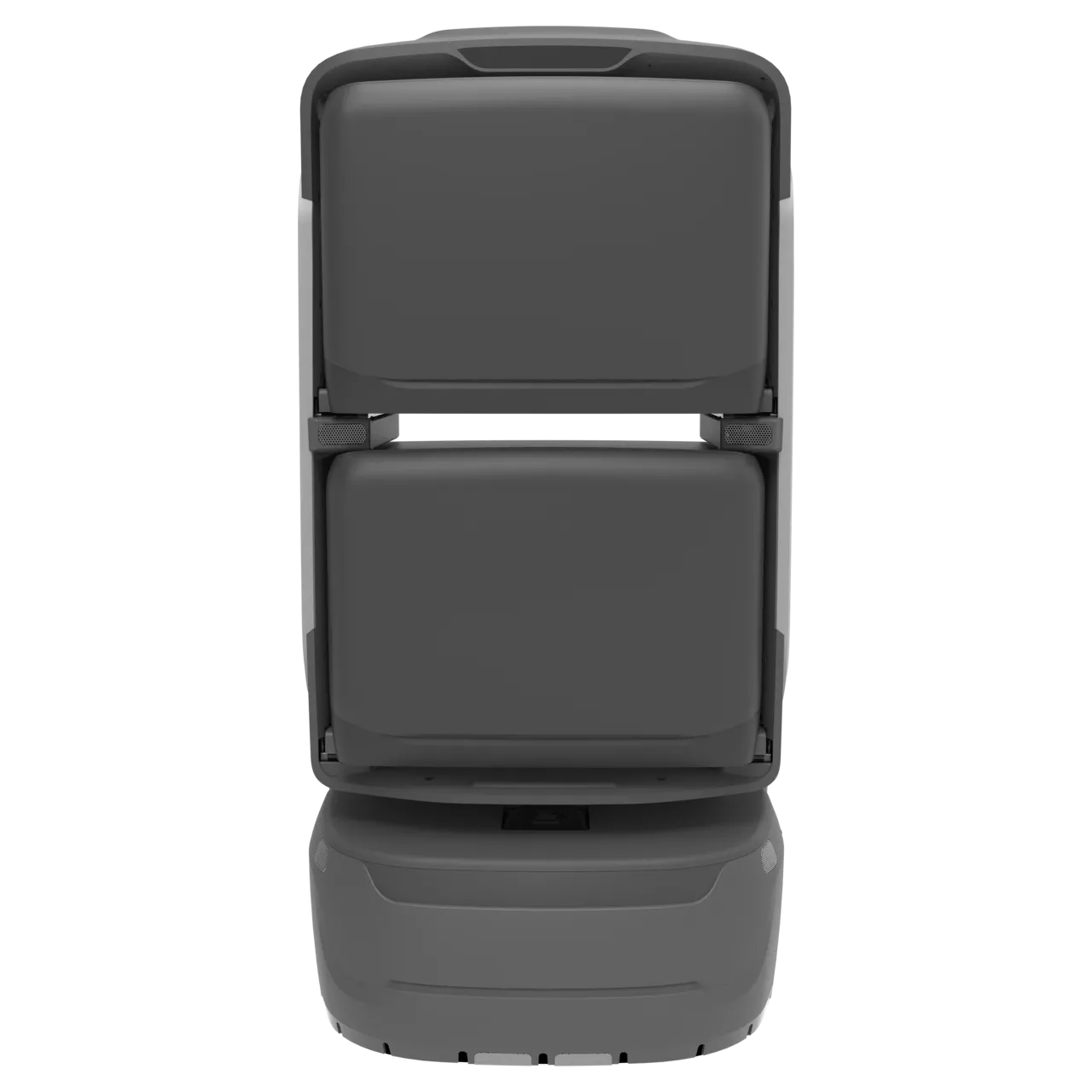
Review product information and reconcile the document version with the supplied model/configuration.
View productDocument and current product versions may differ; confirm supplied specifications and project configuration.
Start with one ward, maps, points, approved templates, staff training and on-site trial.
Hospital department:Approve content, times and intended audience. KAGO:Execute template-based voice/screen reminders and report status. Management and support:Maintain points, accounts and equipment; train users and handle exceptions.
Task completion records execution, not that a patient heard or followed it. Robots do not generate clinical orders; fall-prevention messages are not fall detection.
Use source recommendations as a starting point, then confirm against site routes, supplied equipment and trial data. Suggested checks do not establish fixed performance or service guarantees.
Start with one ward, maps, points, approved templates, staff training and on-site trial.
Discuss the solutionChoose a dedicated solution for each workflow.
Support one-to-many medication, many-to-one specimens and one-to-one sterilized tools/reports, sharing capacity by time while hospital staff verify handovers.
Replenish care consumables, daily items and small linen loads between central stores, ward stores, nurse stations and treatment rooms.
Support hospital security through scheduled/ad hoc indoor rounds, live views, remote voice, checkpoint photos and event records.