Skip to content

ANGO

Indoor security patrol

Autonomous patrols and remote collaboration help security teams monitor site conditions.

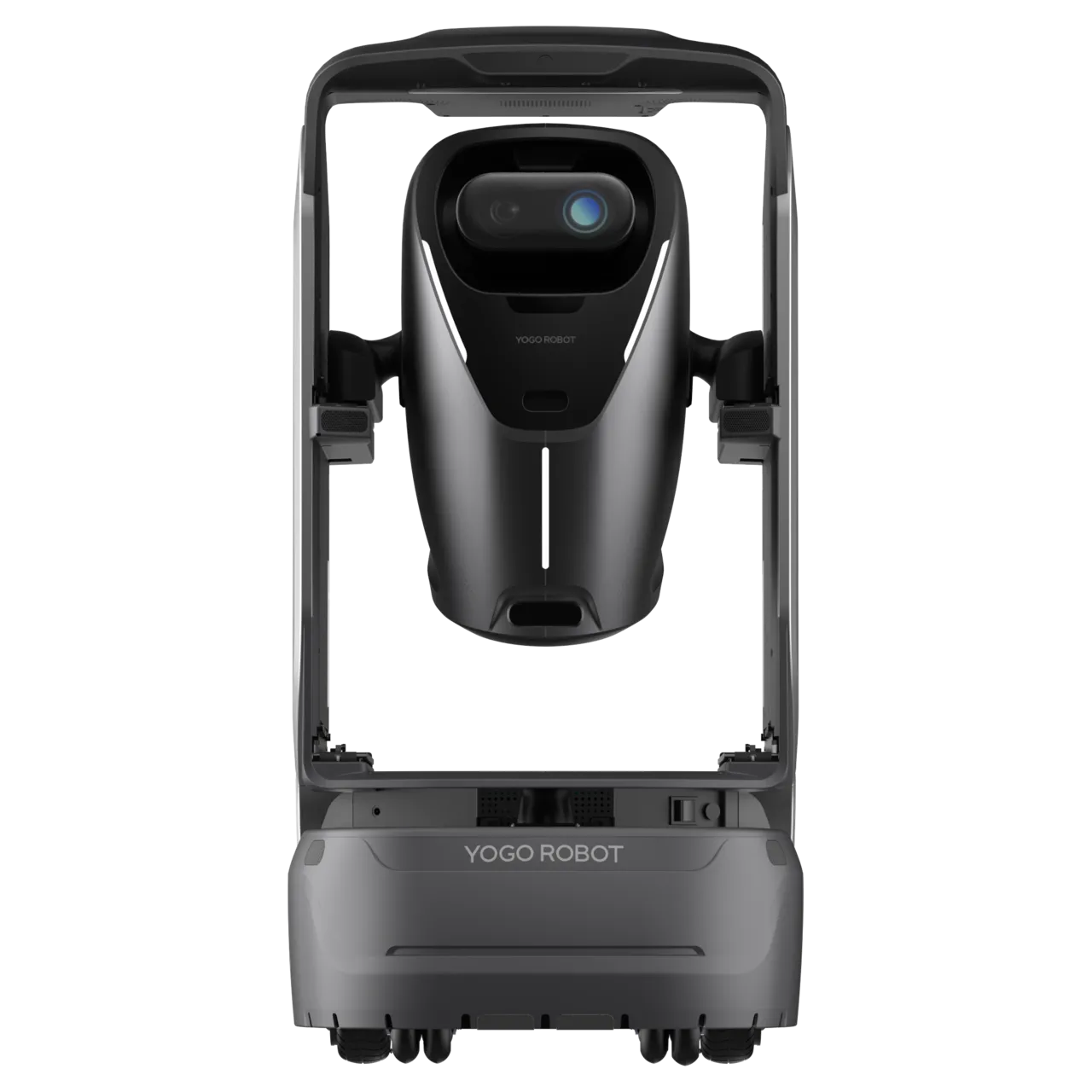
ANGO product image

3D is a visual approximation, not calibrated CAD.

Environmental indicator categories
8
Reference runtime
≈ 6 h
Body width
472 mm

See the scene. Sense the surroundings.

Cameras, environmental sensors and remote audio and video travel together to the indoor checkpoints that matter.

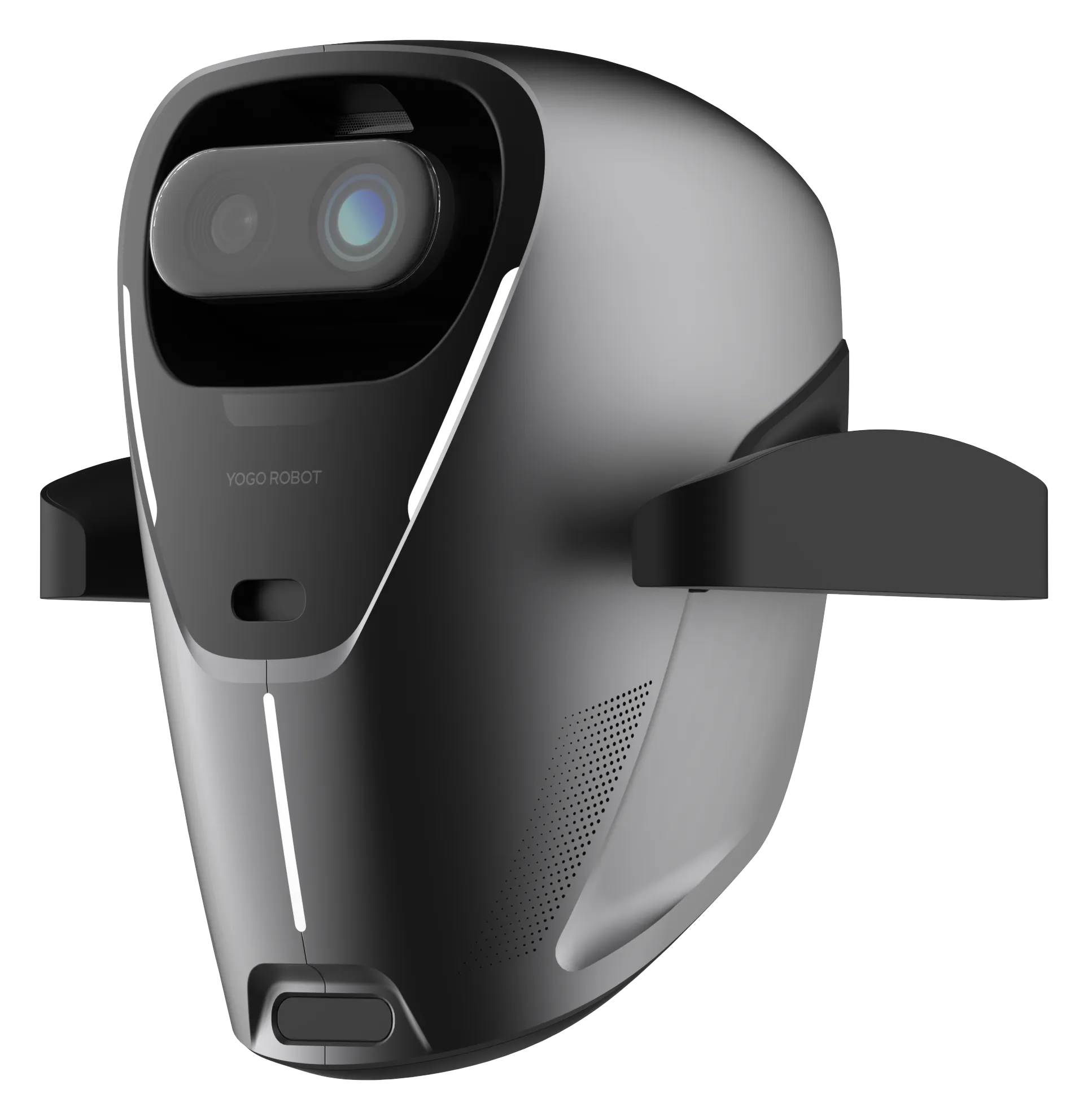
Front-left view of ANGO’s standalone security module.
Night-vision capture
A 1080P night-vision camera captures the scene at configured checkpoints.
Remote eyes and ears
Staff can view, control and talk through the robot from a phone or computer, using two-way audio and video.
Smoke and flame alerts
Suspected smoke or flame can be reported for staff review. Recognition performance requires on-site validation.

Eight indicator categories, linked to each checkpoint.

Documented ranges shown where available; these are not site readings or recognition thresholds.

CO
0–500 ppm
Formaldehyde
0–5 ppm
PM2.5
Fine particles
TVOC
Volatile organic compounds
CO₂
Carbon dioxide
Temperature & humidity
Ambient conditions
Noise
30–120 dB
Light
1–65,535 lx

Give every round a clear purpose.

Explore security patrol
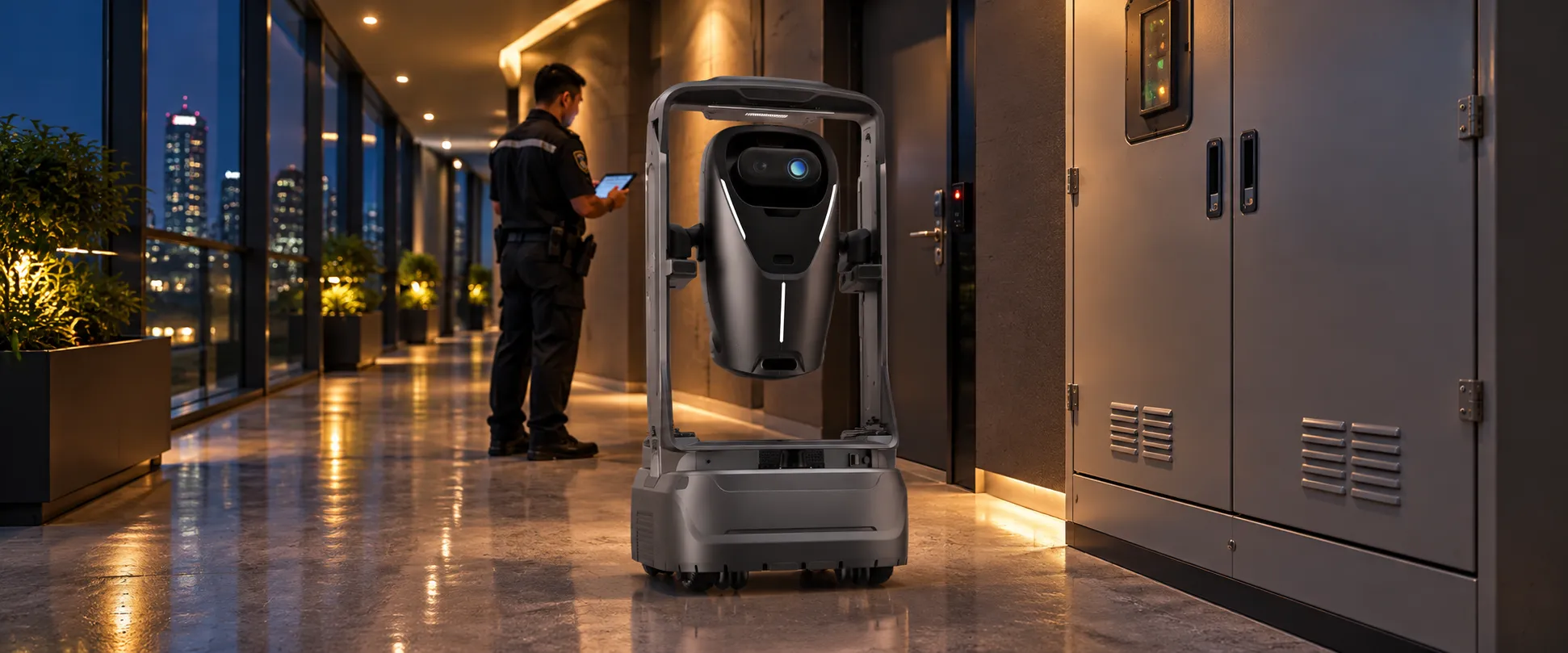
ANGO and a staff member during an illustrative indoor night patrol.
  1. Plan the round

    Staff agree routes, checkpoints, working times and capture requirements. Scheduled or ad hoc tasks follow the project configuration.

  2. Capture at checkpoints

    ANGO follows the mapped route, capturing fire doors, facilities and passages alongside configured environmental readings.

  3. Retain and report

    Patrol reports retain captures for review. Suspected exceptions are reported to the responsible staff.

The robot captures. People follow through.

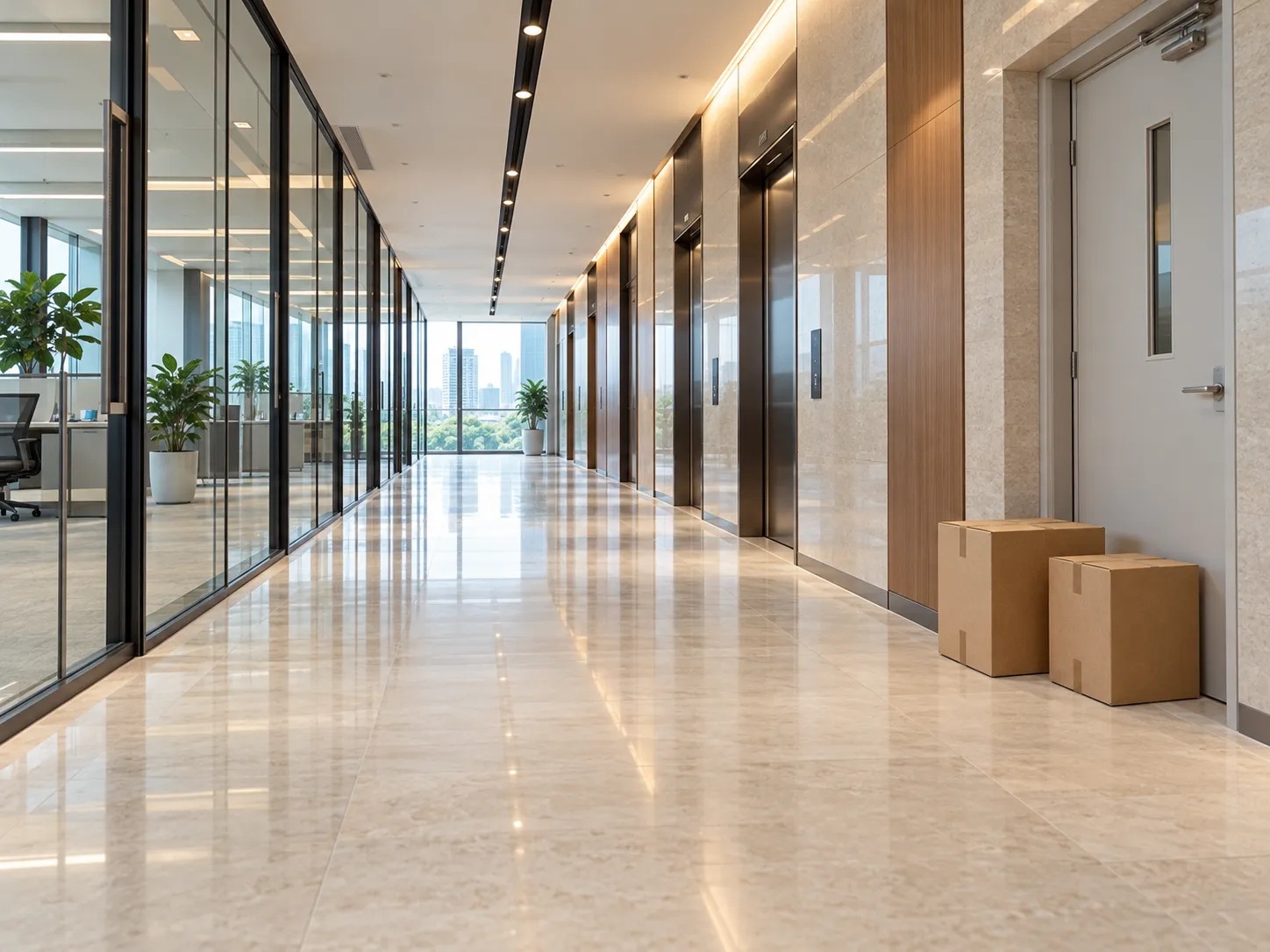
A safety exit illustrates how a checkpoint capture connects with staff review and a follow-up check.

Original capture

Boxes beside a safety-exit doorway in an illustrative corridor.Passage obstruction
Patrol recordDuty staff

Safety exit

A suspected obstruction. Awaiting staff review.

Duty staff review the linked image and, when needed, use remote audio and video to confirm the situation before arranging an on-site response.

Duty staff review → On-site staff respond
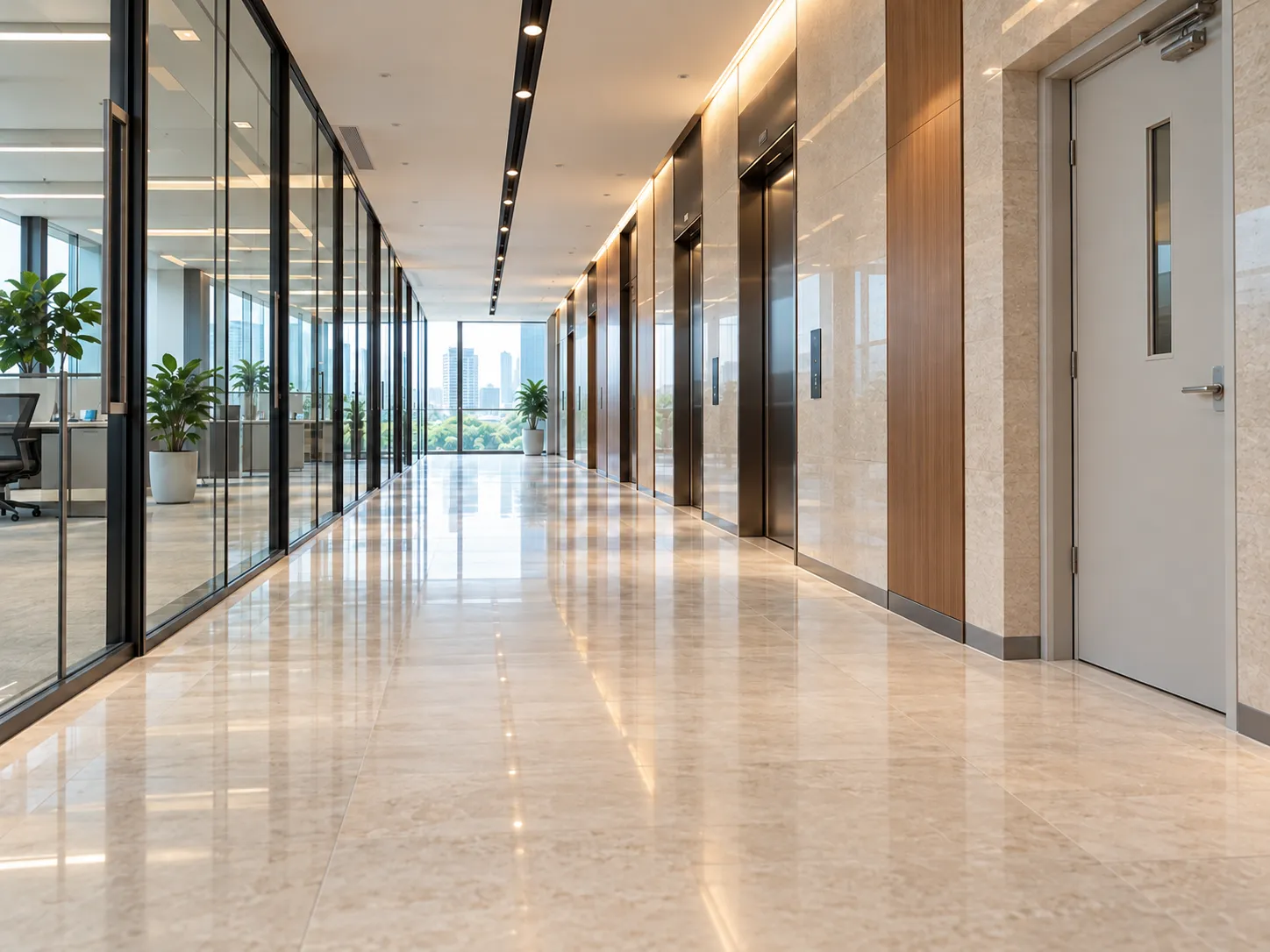
Recheck capture

The same corridor after staff have removed the boxes.
Patrol recordDuty staff

Safety exit

Capture again. Verify the outcome.

After staff clear the passage, a new checkpoint capture supports verification. Review the original record alongside the follow-up result.

New checkpoint capture → Staff verify the result
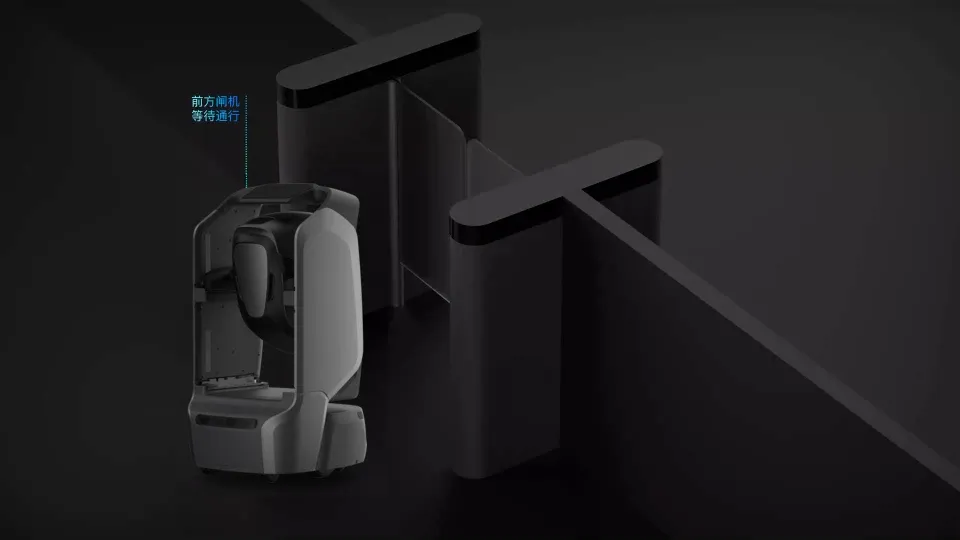
An illustration of ANGO passing through an open building access gate.

Ready for the next round.

Routine and ad hoc tasks
Configure regular patrol times, or initiate an extra round for a temporary need.
Building access
Map the site and configure routes. Travel between floors and controlled doors requires compatible lift and access-control integration.
Return to charge
ANGO can return to its charger when the battery is low. Reference runtime is approximately six hours and varies with the task and environment.
Explore office security patrol

Technical specifications

Chassis payload is not the payload per compartment.

Body and loading

Dimensions · L × W × H
567 × 472 × 939 mm
Net weight
47.5 kg
Maximum chassis payload
60 kg
Functional module
Security module: 410 × 380 × 440 mm

Movement and access

Maximum speed
2 m/s
Vertical obstacle clearance
20 mm
Maximum gradient
7°
Operating environment
0–40 °C · 5%–85% relative humidity · no airborne dust or corrosive gases

Perception and interaction

Perception
1080P night-vision camera and sensors for CO, formaldehyde, PM2.5, TVOC, CO₂, temperature, humidity, noise and light
Selected sensor ranges
CO: 0–500 ppm · formaldehyde: 0–5 ppm · noise: 30–120 dB · light: 1–65535 lx
Remote audio pickup
Omnidirectional audio pickup with ANC; coverage area: 70 m²
Patrol mode
L4 indoor autonomous patrol; integrated lift/access control and smoke, fire and hazard recognition

Battery and charging

Battery capacity
47.45V 9Ah
Reference runtime
Approximately 6 h
Charging station
124.4 × 277.6 × 308.6 mm / approximately 191 W

Plan for the site.

These guide dimensions are references for a site survey. Confirm clearances, configuration and route performance on site before deployment.

Straight-route clearance

≥ 650 mmANGO472 mm

Charging clearances

ANGO0.5 m0.5 m1.5 m

Clearance diagrams, not a surveyed floor plan. Verify turns, docking and the complete route on site.

Floors and clearances
Level, hard indoor flooring; recommended straight-route clearance of at least 650 mm, thresholds below 20 mm and slopes no steeper than 7°. Verify turning space for the chosen model and route on site.
Charging location
Place against a level, solid wall with 1.5 m clear in front and 0.5 m on each side. Confirm power and keep clear of water, stairs and entrances.
Lifts and access control
Travel between floors and through controlled doors requires a site survey and project-specific lift, door or gate IoT integration. Confirm compatibility, installation conditions and property-management permission.
Network and routes
Check wireless coverage in working areas, lifts and charging locations. Map and configure routes, then test notifications, remote management and recovery from interruptions.
Task acceptance and upkeep
Define patrol points, recognition tasks, and report and alert recipients. Validate recognition using site examples and agree staff review, remote communication and incident response procedures.

Select a patrol solution tailored to your space.

Explore security patrol solutions designed for the inspection and monitoring needs of different spaces.

Explore security patrol

Bring ANGO to your building security.

Start with patrol routes, inspection points and handover response. Confirm environmental sensors, camera views and building connections.

Discuss your project