Frequent trips
Keep routine transport moving across departments and operating hours.
Hospital specimen transport solution
Connect wards, clinics and blood collection points with laboratory receiving. Software organizes the task, robots handle transport, and staff prepare and complete each handover.
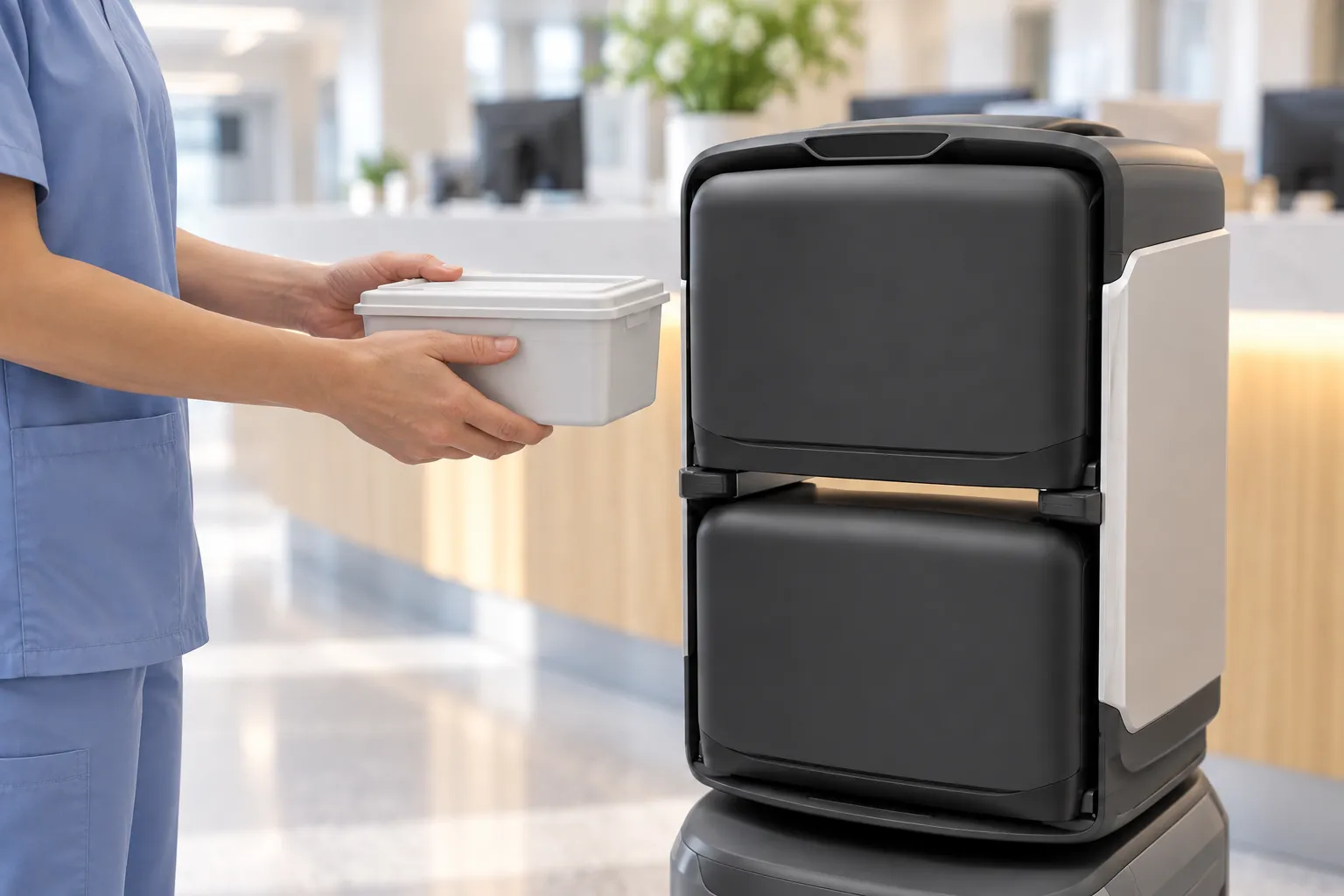
Frequent trips, scattered departments and concentrated collection windows put pressure on manual transport. Start with the handover rules, then allocate the robots.
Collection points
Indoor or cross-building transport
Check the container and confirm receipt
Collection points, eligible specimens and transport conditions are confirmed with the hospital.
Keep routine transport moving across departments and operating hours.
Identify who loads, who receives and how confirmation is recorded.
Combine stationed robots at busy points with shared capacity off peak.
From a department’s request to laboratory receipt, follow the people, software and robots that carry the task forward.
The department seals the specimens and transport container, then calls a robot and selects laboratory receiving. When the robot arrives, staff verify access, load the assigned compartment and confirm dispatch.
Specimen delivery
Ready for handover
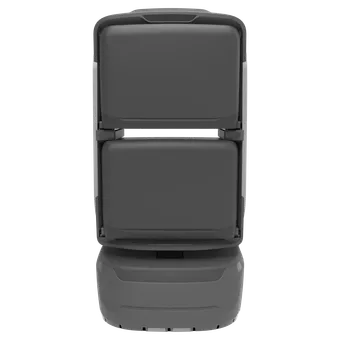
KAGO takes indoor routes; TRANGO links buildings. Containers travel in closed compartments, with lift and door integration where the route requires it. Staff carry out any planned transfer between robots.
Within one building
Ward → laboratory
KAGO
Between buildings
Collection building → central laboratory
TRANGO
Laboratory staff receive the arrival notice, verify access and retrieve the container. They check the handover, confirm receipt and report any exception. The task retains the outcome.
Laboratory handover
Report exceptions to the agreed contact
Interfaces, permissions and handover rules are confirmed for the project.
Explore the hospital cutaway, or follow the robot through a staff handover. The plan and 3D scene share one task clock.
Routes share one illustrative level and omit lift travel. Time is compressed. Staff load and retrieve the container. The hatch mechanism is illustrative and subject to the selected hardware. The lower floor provides building context only. No device or hospital system is connected.
Routes share one illustrative level and omit lift travel. Time is compressed. Staff load and retrieve the container. The hatch mechanism is illustrative and subject to the selected hardware. The lower floor provides building context only. No device or hospital system is connected.
Combine the three modes around the central laboratory. Keep robots at dense collection points during peaks and share them between departments during quieter periods.
For busy collection points
Keep a robot near a specimen-intensive department or blood collection point for repeated loading and short trips.
For regular collection rounds
Visit agreed stops at configured times to collect or deliver routine specimens. Confirm the timetable and collection responsibilities.
For routine, variable requests
A department calls a robot; dispatch allocates a suitable unit to the requested destination.
A layered fleet does not require every specimen to change robots. Use KAGO for a direct indoor trip or TRANGO for a route between buildings. Confirm any transfer points and responsible staff during planning.
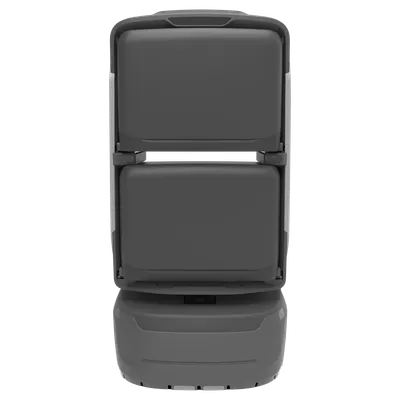
Within one building
Short, frequent trips from a ward or department to the laboratory, with lift and door integration where required.
Explore KAGO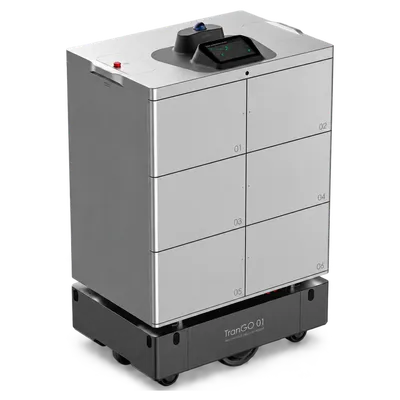
Between buildings
Campus trunk transport linking buildings and the central laboratory, with space for hospital-provided transport containers.
Explore TRANGOThe plan combines task intake, dispatch, status monitoring, exception records and reporting. Hospital system integration is optional; the service can operate independently.
Departments, collection teams and laboratory staff create tasks and complete handovers.
Allocate robots, monitor task and robot status, and retain transport and receipt records.
Connect compatible lifts and automatic doors on authorized routes. Plan charging points.
Record alerts, identify the issue, arrange handling, confirm the state and retain the outcome. Recovery rules are agreed during commissioning.
Confirm collection and receiving points, routes, permissions and handover rules before expanding. The stages below are indicative; site changes and integration scope determine the actual schedule.
3–5 days
Points, routes, departments and handover rules.
1–2 weeks
Connect the required lifts and automatic doors.
1 week
Map the site, deploy robots and configure tasks and permissions.
1–2 weeks
Test robots, access equipment and complete delivery scenarios.
1–2 weeks
Run a limited service, review issues and adjust the workflow.
For temperature-sensitive specimens, the hospital supplies suitable insulated containers. Confirm and validate container suitability, transport conditions and journey limits for the specimens and route.
Acceptance covers a usable workflow, clear handovers, stable operation and accessible records. Agree measurable pilot criteria with the hospital rather than treating illustration data as a service guarantee.
A task can be created, assigned and completed.
Loading and receiving responsibilities are clear; receipt records can be checked.
Required lifts and automatic doors work on the agreed route.
Robots operate in the intended corridors and routine pedestrian conditions.
Alerts and task histories are available to the team.
Departments can follow the agreed operating SOP.
No. It can run independently. Optional standard interfaces can be scoped if the hospital needs system integration.
The plan includes card authorization, compartment locking, arrival notices and receipt records. Confirm the selected robot variant, credential method and permissions during design and commissioning.
Staff handle transfers between robots; automatic box transfer is outside this solution’s scope. Any relay process needs defined transfer points, staff and confirmation rules.
The plan provides for hospital-supplied insulated containers when needed. It does not specify active refrigeration or a guaranteed journey time. Confirm transport conditions and acceptance criteria for the specimens and route.
On-site training, pilot follow-up, exception handling, remote support and routine inspection support rollout. Service hours and response commitments belong in the project agreement.
Bring the collection points, laboratory location, demand by time of day, building plans and handover requirements. Run the full journey first, then extend it.
Plan a hospital pilot